
Circular Signals #01
Circular fashion is growing.
Repair services are fixing garments that would otherwise be discarded. Resale platforms are giving clothes a second life. Rental models are reducing the need for new production. Designers and upcyclers are reworking existing garments instead of creating new ones.
Across the industry, more brands and creatives are exploring ways to keep clothing in use for longer.
The momentum is visible.
Reports such as ThredUp’s annual Resale Report suggest the secondhand market is growing significantly faster than the overall apparel market.
Yet one challenge keeps appearing across the ecosystem. The environmental value of these circular actions is still difficult to communicate clearly.
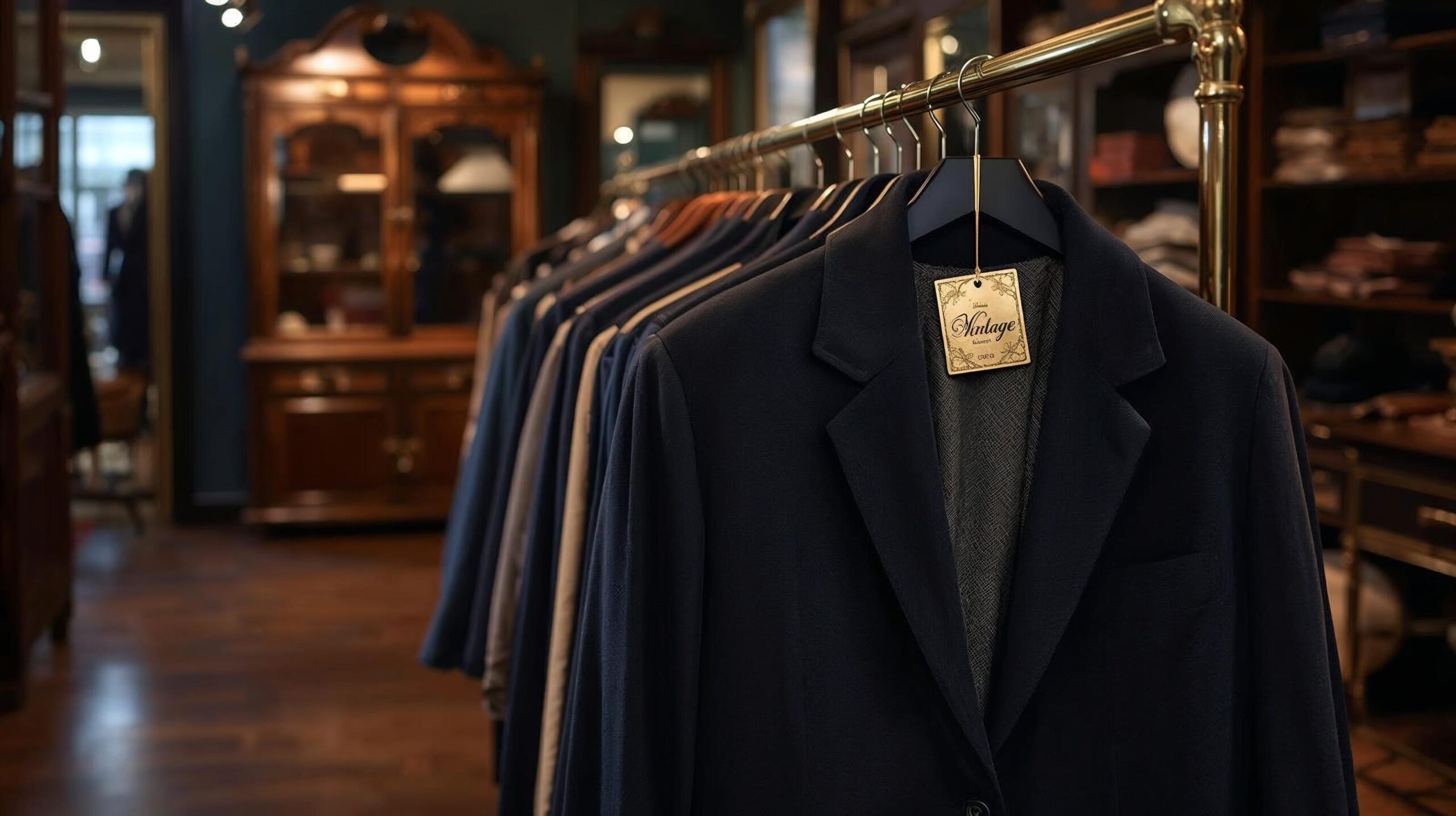
Vintage and resale
A growing circular ecosystem
Across many cities, circular fashion is beginning to take shape in practical ways.
What is emerging is not a single solution, but a growing network of actors quietly reshaping how garments stay in circulation.
Vintage curators, resale initiatives, independent designers, and creative communities are finding new ways to keep garments in use for longer.
In Portugal, this shift is visible through a range of initiatives and actors. Vintage platforms such as Neutral Ground and initiatives like Next Turn Lisbon keep garments in circulation through curated resale and exchange.
Spaces like Comum Circular bring together brands and projects exploring circular fashion, while upcycling initiatives such as Vintage for a Cause demonstrate how existing garments can be redesigned into entirely new pieces.
Creative communities like Brava Edit also contribute by bringing designers, stylists, and creatives to exchange ideas around fashion’s future. At a broader level, organizations such as Circular Economy Portugal help support conversations and initiatives that encourage the transition toward circular systems.
Portugal is only one part of a wider shift happening across the fashion ecosystem.
Yet even within this growing landscape, one question continues to surface.
How can the climate value of this work be communicated clearly?
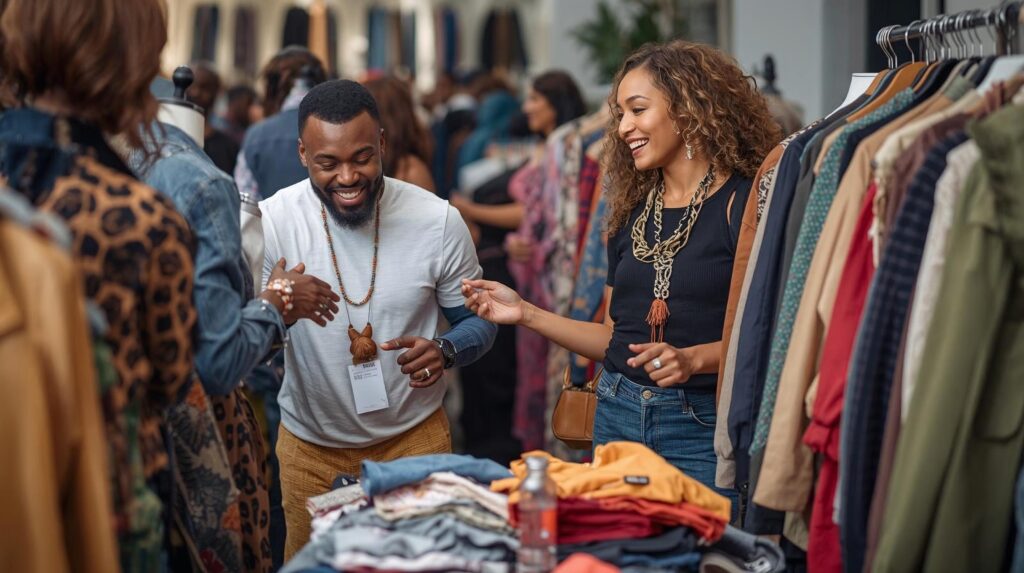
A cloth swapping event
Small signals inside the industry
Sometimes the most interesting shifts appear in small signals.
Portuguese clothing brand Isto currently runs a repair program that allows customers to return garments to be fixed rather than replaced.
Programs like this are still relatively uncommon across mainstream fashion, but they hint at a different way of thinking about clothing; one where the life of a garment does not end when something breaks.
Repair, resale, rental, and redesign all share a similar idea: keeping garments in use for longer.
Yet while these actions clearly extend the life of clothing, the environment value behind them is not always easy to explain.
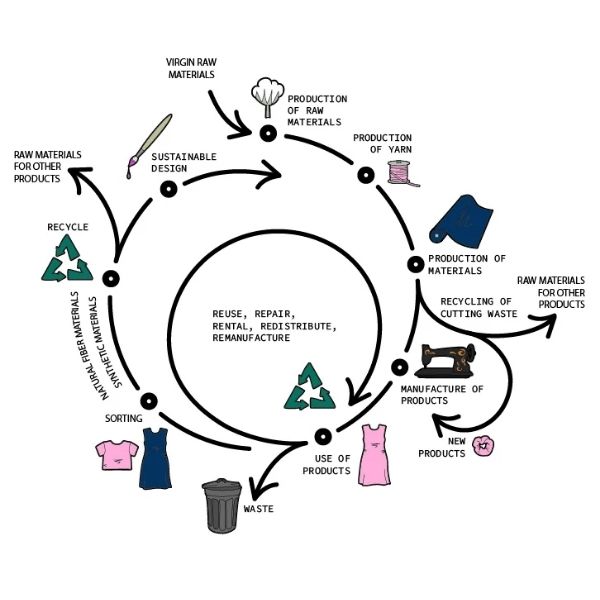
IMAGE SOURCE- CIRCULAR STORIES
The measurement gap
In traditional fashion, environmental impacts are often discussed through Life Cycle Assessments (LCAs). These studies measure emissions, resource use, and environmental impacts across the production chain; from raw material extraction to manufacturing.
Circular models operate differently.
When a garment is repaired, resold, or rented, the environmental benefit comes from avoiding the need to produce something new.
That avoided impact is harder to quantify.
The question becomes less about measuring the footprint of a product and more about estimating the production that did not happen because the garment stayed in use.
This is one reason many circular brands struggle to answer a simple question : How much difference does this actually make?
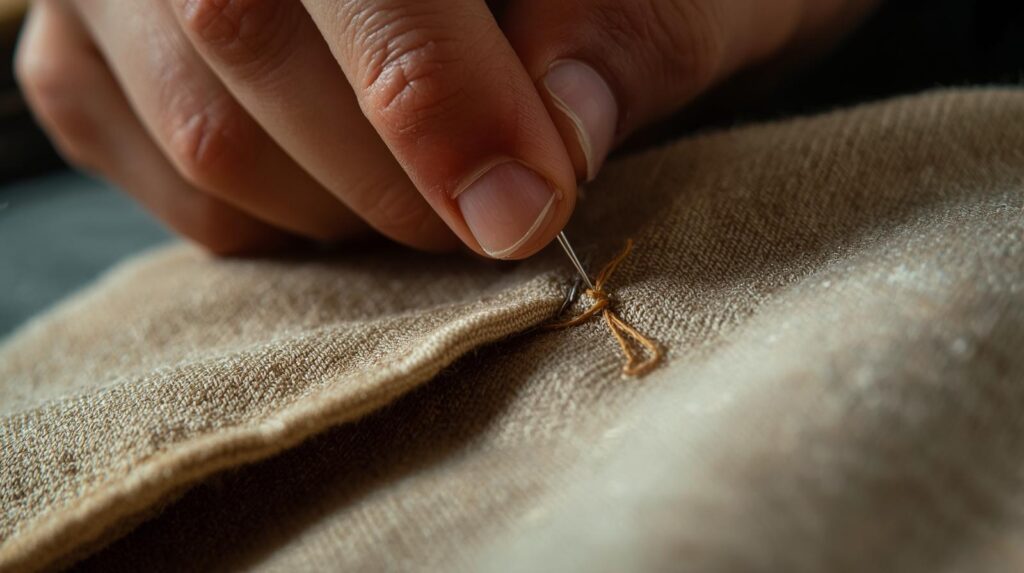
Repair extending the life of a garment
A policy shift is coming
Across Europe, sustainability expectations are rising.
Policy frameworks such as the Ecodesign for Sustainable Products Regulation (ESPR) and discussions around the Product Environmental Footprint (PEF) are moving toward more structured ways of communicating environmental information.
These frameworks are still evolving, but they signal a clear direction.
Environmental claims will increasingly require credible methodologies.
For circular businesses, this create a new challenge.
Their work clearly contributes to reducing waste and extending the life of garments, yet without credible ways to translate that work into environmental signals, much of that value remains invisible.
A conversation worth having
Circular fashion is already happening.
Across repair studios, resale platforms, creative communities, and upcycling designers, garments are being kept in use for longer everyday.
But as this ecosystem grows, the need for clearer ways to communicate its environmental impact becomes increasingly important.
At Tuleva, we are exploring how circular fashion impact can be made more visible and easier to communicate.
If you are working in resale, repair, rental, redesign, or circular fashion more broadly, we would love to hear from you.
Join the early circular network and help shape how this work develops.