Circular Signals #04
I know I’m late to the conversation, but maybe that’s a good thing.
Or am I really late for it?
The timelines have settled, the hot takes have cooled off, and the pressure to react instantly has passed. Yet somehow, the images are still here.
Still circulating. Still being reposted, dissected, archived, and turned into references before the month is even over.
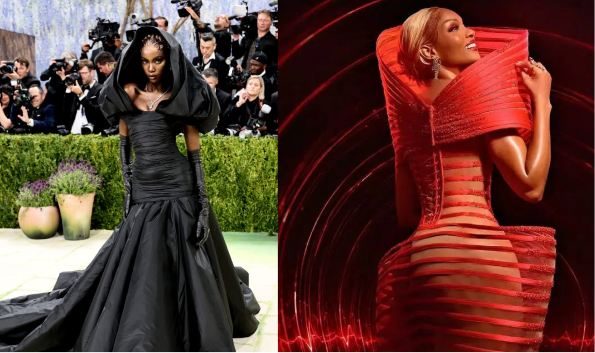
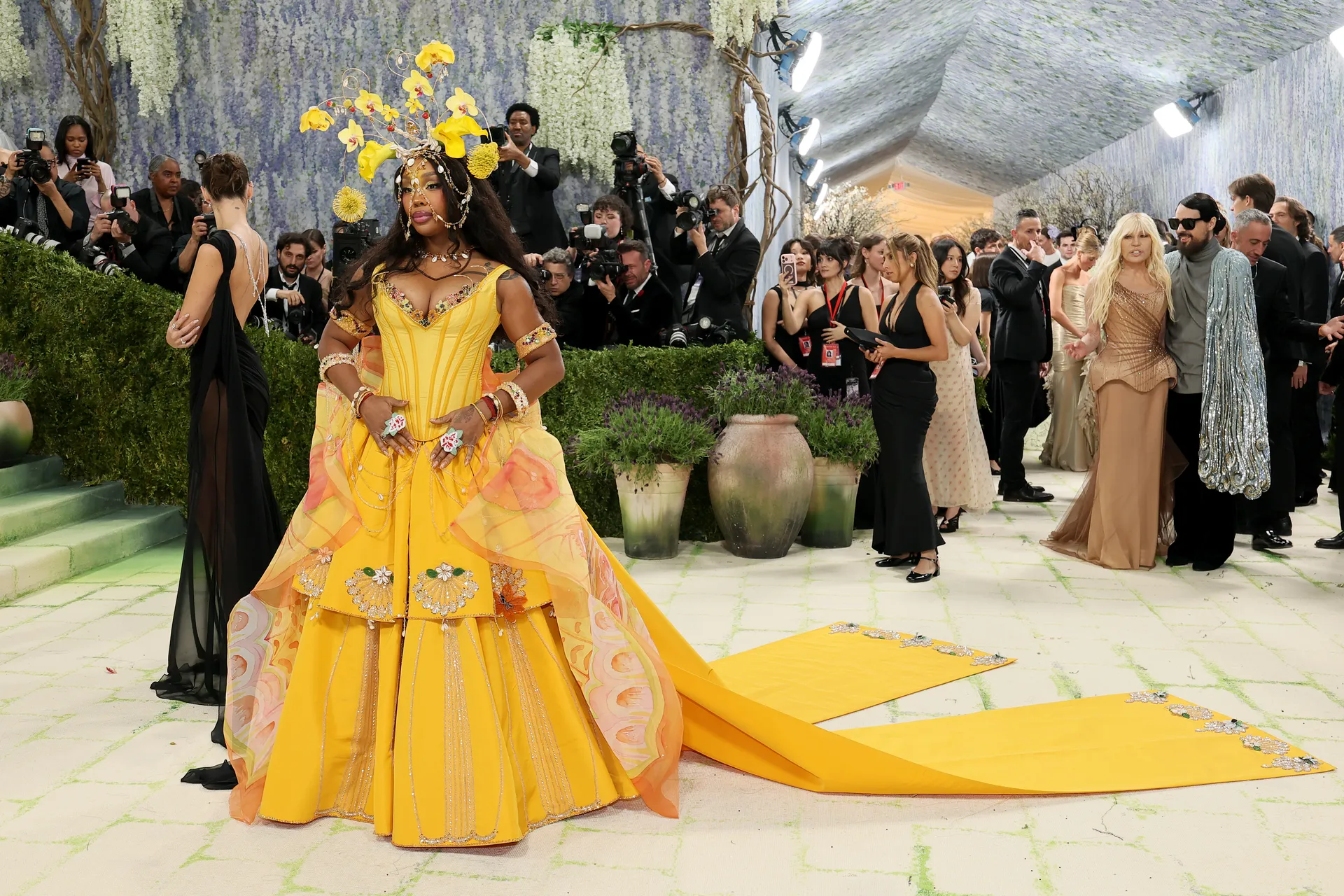
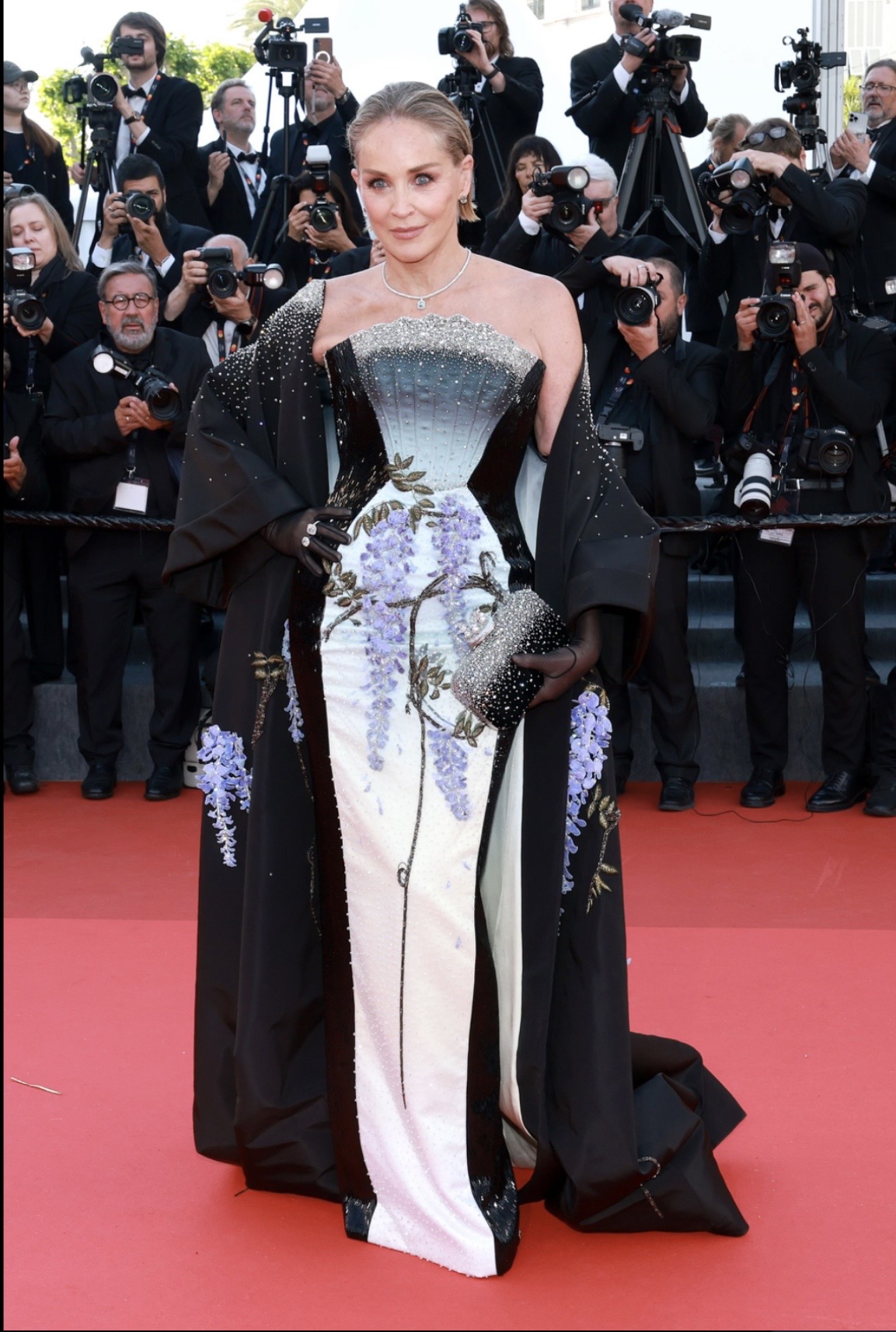
The Met Gala, the Africa Magic Viewers’ Choice Awards, and the Cannes Film Festival happened in different spaces, with different audiences and completely different intentions, but the effect felt almost identical. Some looks will disappear quickly. Others will return years later in forms nobody can fully predict yet.

That’s what fashion has become.
Nothing fully exits anymore.
Not aesthetics.
Not materials.
Not even relevance.
Outside those highly visible moments, there is another category of fashion quietly waiting in the background.
Deadstock.
Unused fabrics.
Archived textiles.
Unreleased production.
Collections that arrived too early, too late, or simply at the wrong cultural moment.
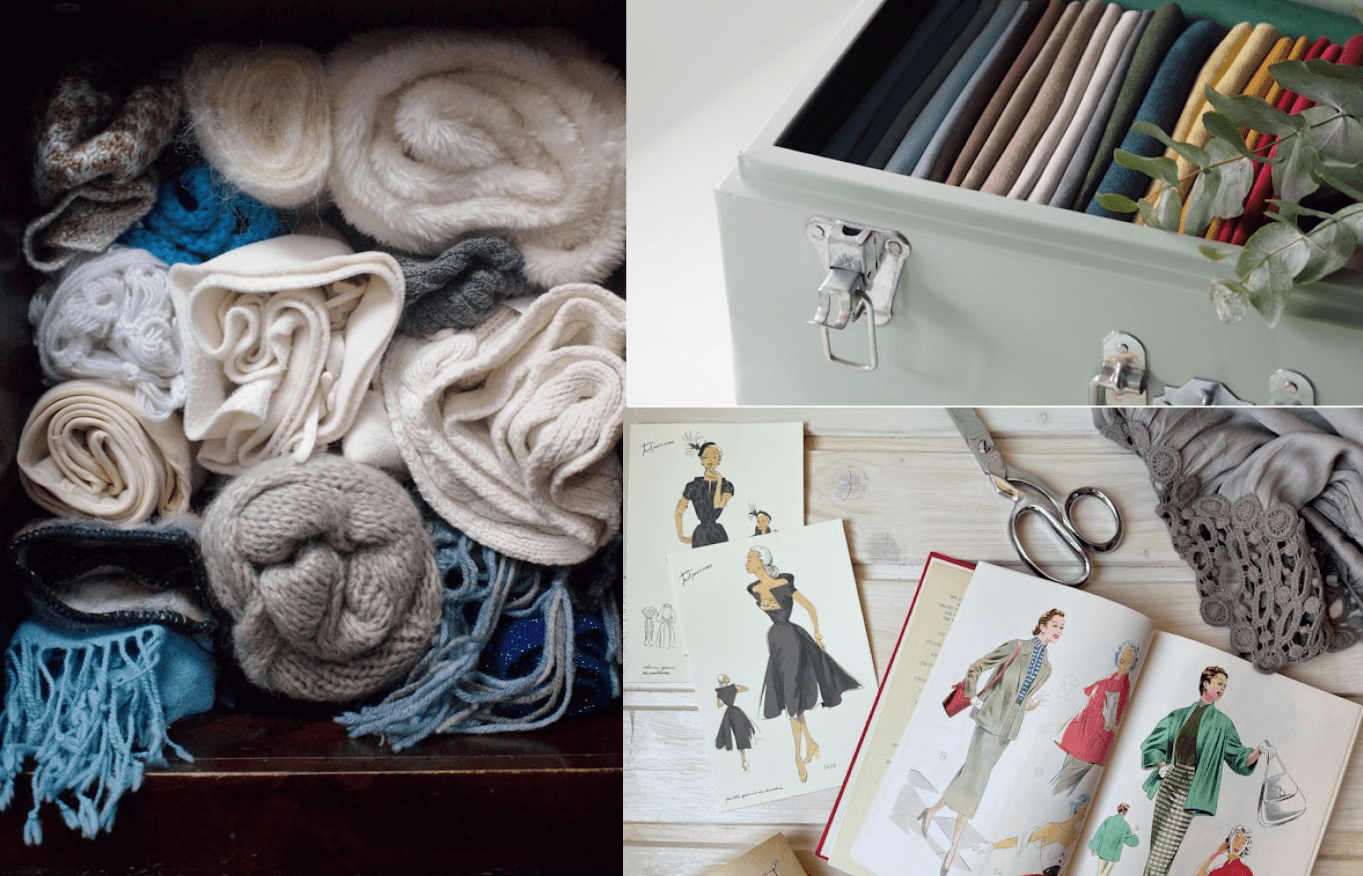
For years, deadstock represented excess; fashion left behind by shifting trends and faster cycles. Now it feels less like waste and more like delayed relevance.
Maybe this shift isn’t accidental. Increasingly, fashion is being discussed less as a linear machine and more as a living system; something that adapts, circulates, and regenerates rather than simply produces and discards.
Living ecosystems do not create waste; they redistribute value. Fashion increasingly seems to be moving in the same direction.
What was once labelled excess, surplus, or irrelevance can now become material for another cycle, another interpretation, another entry point.
A fabric ignored years ago can suddenly feel current again. A silhouette once dismissed can return under different cultural conditions and be seen entirely differently.
Fashion no longer moves in a straight line.
It revisits itself.
Re-edits itself.
Repositions itself.
Maybe that is why moments like the Met Gala, AMVCA, and Cannes now feel larger than the events themselves.
They are not simply displaying clothing. They are creating archives in real time.
Because now, fashion seems less interested in endings.
It prefers movement.
And eventually, almost everything finds its way back.